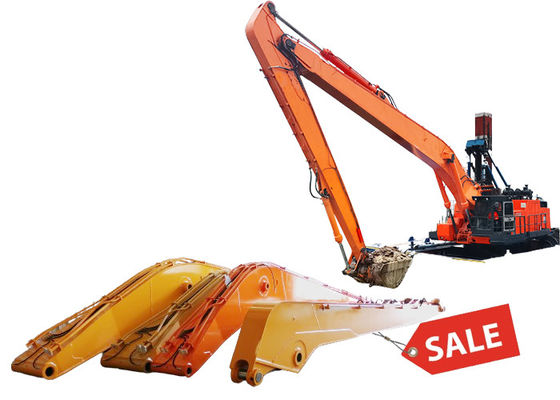
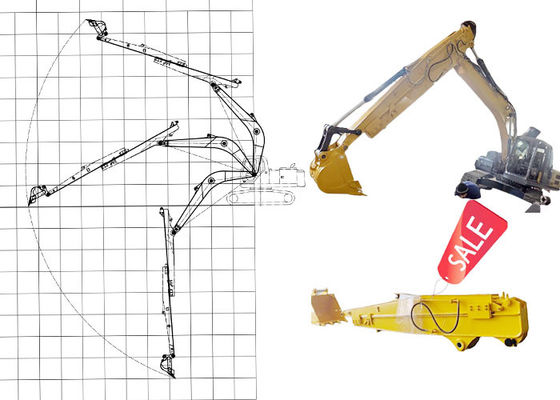
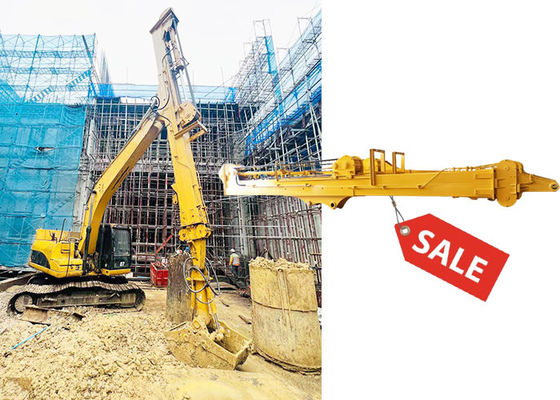
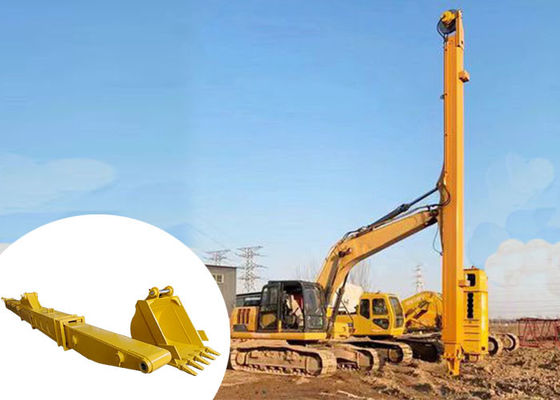
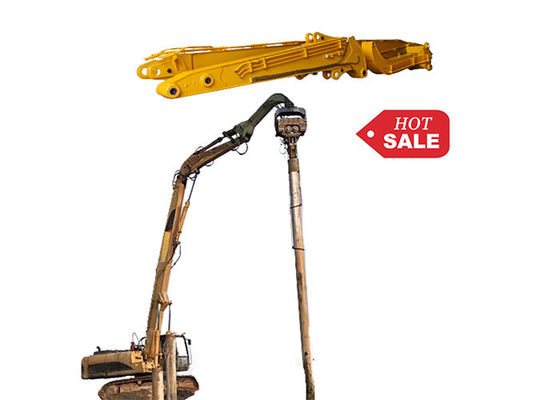
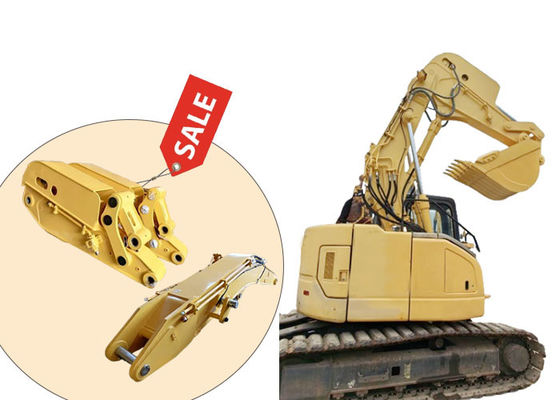
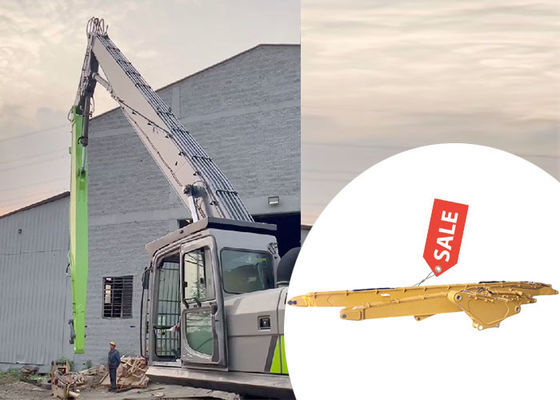
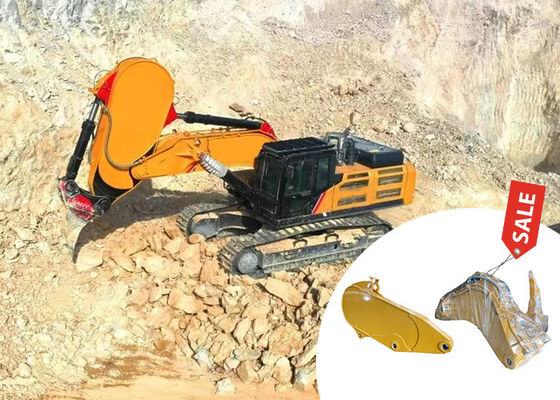
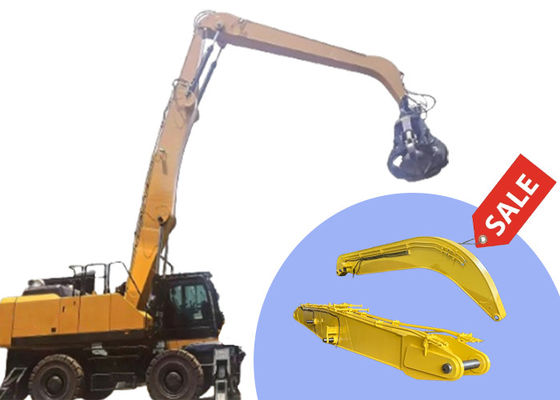
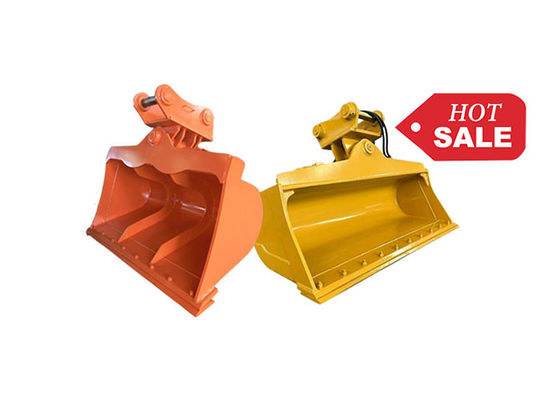
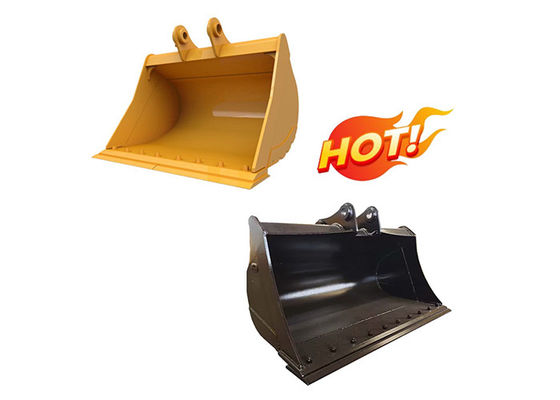
مقدمة عن التشطيب في إنتاج أذرع الحفارات الطويلة
التشطيب عملية حاسمة في تصنيع أذرع الحفارات الطويلة، مما يؤثر بشكل كبير على أدائها ومتانتها ووظائفها الإجمالية. في سياق البناء والآلات الثقيلة، يشير التشطيب إلى تقنية إمالة حواف المكونات، مما يعزز كيفية تناسبها وتفاعلها مع الأجزاء الأخرى. هذه العملية ضرورية لضمان أن أذرع الحفارات الطويلة يمكنها التعامل بفعالية مع مجموعة متنوعة من المهام الصعبة، من الحفر إلى رفع الأحمال الثقيلة.
فهم التشطيب
في جوهرها، يتضمن التشطيب قطع حواف الأجزاء المعدنية بزوايا محددة بدلاً من الحفاظ على حافة مستقيمة. في إنتاج أذرع الحفارات الطويلة، تخدم هذه التقنية أغراضًا متعددة. إنها تسمح بانتقالات أكثر سلاسة عند الوصلات والمفاصل، وهو أمر ضروري لضمان عمل الذراع الطويلة بكفاءة. من خلال تشطيب الحواف، يمكن للمصنعين إنشاء تصميم أكثر انسيابية يحسن توزيع الإجهاد العام، مما يقلل من احتمالية التآكل في مناطق الضغط العالي.
مزايا التشطيب لأذرع الحفارات الطويلة
فوائد تطبيق التشطيب في تصنيع أذرع الحفارات الطويلة كبيرة. أولاً، يحسن التشطيب القوة الميكانيكية للوصلات بين المكونات المختلفة. توفر الحواف المائلة مساحة سطح أكبر للحام أو الربط، مما يعزز سلامة هذه المفاصل. هذه القوة المضافة ضرورية عندما تتعرض الحفارات لأحمال ثقيلة وظروف قاسية، مما يضمن أن الذراع الطويلة يمكنها تحمل إجهادات التشغيل دون فشل.
بالإضافة إلى ذلك، يساهم التشطيب في تحسين الوظائف والقدرة على المناورة. عندما يتم تشطيب حواف المكونات، فإنه يسمح بحركة أكثر سلاسة ويقلل الاحتكاك، مما يؤدي إلى تحسين الكفاءة أثناء التشغيل. يستفيد المشغلون من تحكم أكثر استجابة للحفارة، مما يمكن أن يحدث فرقًا كبيرًا في المهام الدقيقة مثل التسوية أو الحفر أو التجريف في المساحات الضيقة.
تطبيقات عملية للتشطيب
في التصنيع، يمكن تطبيق التشطيب بطرق مختلفة لتحسين أداء أذرع الحفارات الطويلة. على سبيل المثال، عند تجميع الذراع مع الجرافة أو الملحقات الأخرى، يمكن أن تساعد الحواف المشطبة في إنشاء تركيبات أكثر إحكامًا وأمانًا. هذا يضمن أن الملحقات يمكن أن تعمل بأقصى كفاءة، مما يقلل من خطر الانفصال أو الانزلاق أثناء المهام الشاقة.
علاوة على ذلك، لا يقتصر التشطيب على الإنتاج الأولي؛ بل يلعب دورًا في صيانة وترقية المعدات الحالية. مع تقدم عمر الحفارات ومواجهة التآكل، يمكن استخدام التشطيب لتجديد الأجزاء التي تعرضت للتلف. من خلال معالجة هذه الحواف، يمكن للمشغلين إطالة عمر أجهزتهم، مما يؤخر الحاجة إلى استبدالات مكلفة.
أفضل الممارسات للتشطيب
لتطبيق التشطيب بفعالية في إنتاج أذرع الحفارات الطويلة، يجب اتباع العديد من أفضل الممارسات:
القطع الدقيق: استخدام أدوات وتقنيات قطع متقدمة يضمن أن التشطيبات دقيقة ومتسقة. هذا الدقة ضرورية للحفاظ على الجودة عبر مكونات متعددة.
اعتبارات المواد: قد تتطلب المواد المختلفة مناهج تشطيب مختلفة. فهم خصائص المعدن المستخدم، مثل قوة الشد وقابلية اللحام، ضروري للحصول على أفضل النتائج.
ضمان الجودة: تطبيق فحوصات جودة صارمة طوال عملية التشطيب يساعد في تحديد المشكلات المحتملة قبل تفاقمها. تضمن عمليات الفحص المنتظمة أن المنتجات النهائية تلبي معايير السلامة والأداء.
تدريب المشغلين: يمكن أن يؤدي تثقيف العمال حول أهمية التشطيب وتوفير التدريب المناسب على استخدام المعدات بفعالية إلى تحسين جودة الإنتاج الإجمالية. المشغلون المهرة مجهزون بشكل أفضل للتعامل مع التعقيدات التي ينطوي عليها التشطيب.
تقنيات مبتكرة: يمكن أن يؤدي البقاء على اطلاع دائم بالتقدم في تكنولوجيا التشطيب إلى تحسين عمليات التصنيع. يمكن لتقنيات مثل التشطيب الروبوتي تحسين الكفاءة والدقة، مما يؤدي إلى مكونات حفارات عالية الجودة.
خاتمة
يلعب التشطيب دورًا حيويًا في إنتاج أذرع الحفارات الطويلة، مما يؤثر بشكل كبير على أدائها ومتانتها وموثوقيتها. من خلال تطبيق هذه التقنية بفعالية، يمكن للمصنعين إنتاج مكونات تلبي المتطلبات الصارمة لصناعة البناء. تجعل مزايا القوة والوظائف والصيانة المحسنة التشطيب جزءًا لا غنى عنه في عملية التصنيع. مع استمرار تطور الصناعة، سيضمن تبني أفضل الممارسات والتقنيات المبتكرة في التشطيب أن تظل الحفارات فعالة وقادرة على التعامل مع أصعب التحديات في موقع العمل.

Zhonghe Machinery هي شركة مصنعة كبيرة لأذرع ورافعات الحفارات
أي اهتمام،
مرحباً بكم في الاتصال بـ Aria - مدير المبيعات في Zhonghe Machinery.
واتساب:wa.me/+8613822325403
البريد الإلكتروني:aria@excavatorlongarm.com
رابط الموقع:www.excavatorlongarm.com
#حفارة #ذراع_حفارة_طويل #رافعة_حفارة_طويلة #ذراع_حفارة_ركيزة #رافعة_حفارة_ركيزة #حفر #ذراع_حفارة_منزلق #رافعة_حفارة_منزلقة #ذراع #رافعة #ذراع_تلسكوبي #ذراع_طويل #رافعة_طويلة #آلة_كبيرة #آلة_ثقيلة #جرافة #ذراع_وصول_طويل #رافعة_وصول_طويلة #ذراع_قصير #رافعة_قصيرة #ذراع_تلسكوبي #رافعة_تلسكوبية #ذراع #رافعة #تلسكوبي #كسارة #ذراع_صخري #رافعة_صخرية #بناء #ذراع_طويل_للحفارة #ذراع_وصول_طويل_للحفارة #رافعة_طويلة_للحفارة #ذراع_وصول_طويل_للحفارة #رافعة_وصول_طويلة_للحفارة


 پیام شما باید بین 20 تا 3000 کاراکتر باشد!